
 Tracy
Tracy Contents
Key Takeaways
- Portable toilets are necessary to prevent open defecation and minimize the risk of disease outbreaks at gatherings.
- Environmental conservation benefits greatly from water-saving and waste-containment features of portable toilets.
- Technological and design advancements in portable toilets focus on user comfort, accessibility, and sustainability.
- Strategic handling and upkeep of portable toilets underpin both public health and event success.
Table of Contents
- Public Health Benefits
- Environmental Impact
- Innovations in Design
- Best Practices for Event Organizers
- Conclusion
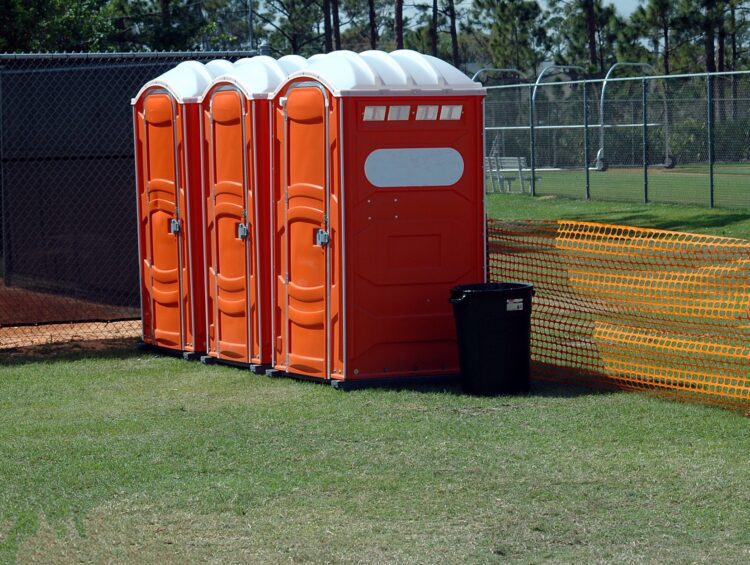
Promoting a healthy, enjoyable environment at public gatherings requires adequate sanitation facilities for all attendees. Whether at a busy city festival, a rural music event, a construction site, or a community sports day, offering reliable access to portable toilets is a critical step in event planning. These facilities do more than offer a convenient solution; they help prevent hygiene crises, ensure sanitary conditions, and ensure the comfort of all participants. Access to sanitation is especially important in outdoor settings or venues where permanent restrooms are either unavailable or unable to accommodate large crowds, making portable toilets indispensable at parks, fairgrounds, construction zones, disaster recovery sites, and more.
Beyond providing comfort, portable toilets play a significant role as a first line of defense against the spread of communicable diseases. By ensuring human waste is contained and managed off-site, these units prevent the exposure of attendees and the environment to potentially dangerous pathogens. Regularly serviced, professionally maintained portable toilets keep public spaces free of contamination, allowing event-goers, workers, and visitors to enjoy peace of mind throughout the event. In the absence of adequate sanitation, diseases such as hepatitis A, cholera, and norovirus can quickly spread among crowds, making portable toilets a true public health necessity.
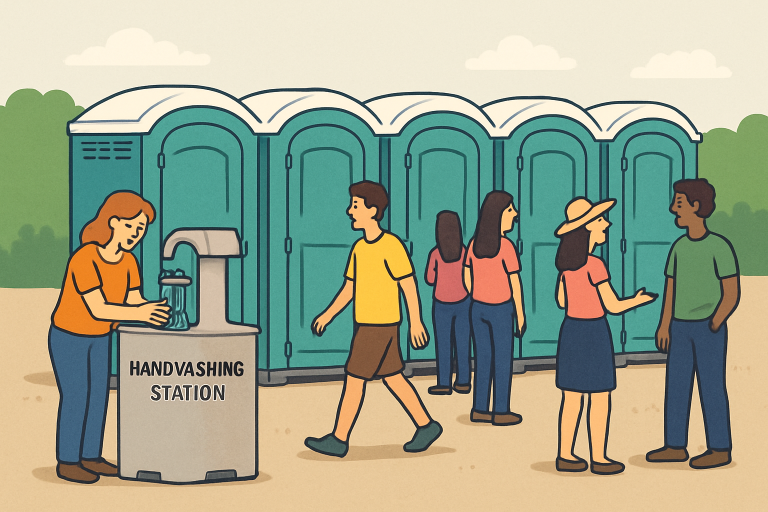
Event planners and venue managers who truly understand the importance of sanitation also recognize the value of integrating other essential hygiene services, such as regular waste collection, handwashing stations, and reliable septic services. Using these solutions together helps maintain high safety standards, which in turn supports the local community’s well-being and upholds responsible environmental practices. The synergy of multiple public health services is the foundation for safe gatherings and supports the long-term sustainability of event hosting venues.
Public Health Benefits
At its core, public health depends heavily on accessible, sanitary toilet facilities that are available whenever and wherever large groups gather. Without these essential facilities, the risk of open defecation increases, particularly at crowded events where options are limited. Open defecation is a major public health hazard, contributing to the rapid transmission of waterborne diseases such as cholera, hepatitis A, and gastroenteritis. As noted by the World Health Organization, access to safe sanitation can cut diarrhea-related deaths by more than a third (WHO Fact Sheet).
Portable toilets help safeguard community well-being by providing a controlled way to manage human waste and keeping it away from places where contamination could easily occur. This is particularly important during multi-day events or at venues with heavy foot traffic, where the risk of unsanitary conditions is higher. When these units are regularly serviced and cleaned by trained professionals, they effectively prevent bacteria, viruses, and other harmful pathogens from entering public spaces and water sources. By minimizing exposure risk and fostering consistent hygiene standards, portable toilets are an essential tool for keeping both event attendees and staff healthy. Their presence assures public health officials and guests that every precaution is being taken to ensure a clean, safe environment for all.
Environmental Impact
The environmental benefits of portable toilets are clear: they conserve water and prevent the release of harmful substances. Traditional flush toilets account for substantial water usage in public spaces; by contrast, portable toilets offer a low-water or even waterless solution for gatherings held in parks, rural areas, or other locations without regular plumbing. This reduction in water usage is vital in drought-prone regions and helps mitigate stress on local water supplies, which is increasingly important as communities confront global water scarcity.
Additionally, when portable toilets are strategically placed and properly maintained, they prevent the contamination of soil, rivers, streams, and groundwater. Modern units are constructed with sealed holding tanks and leakproof materials to ensure human waste is safely captured and transported to certified waste treatment facilities. This prevents hazardous exposure to the local ecosystem, reduces the risk of environmental pollution, and supports broader public health efforts. Furthermore, by keeping waste contained and out of natural waterways, portable toilets help preserve local biodiversity and maintain the cleanliness of event locations in the long term.
Innovations in Design
Today’s portable toilets have advanced significantly from previous generations in terms of technology and user experience. The latest designs incorporate enhanced air flow systems, solar-powered lighting, and hands-free flushing options, all of which help create a safer, more hygienic, and more accessible environment for users. Cleanliness and comfort are top priorities, with many models featuring easy-to-clean surfaces, advanced deodorizers, and robust locking mechanisms to ensure user privacy.
Many units are designed to comply fully with ADA guidelines, including ramps, handrails, wider doorways, and spacious interiors, so people with mobility challenges or disabilities can use them comfortably. Some premium models offer family-friendly features, including diaper-changing stations, hand sanitizer dispensers, and integrated handwashing sinks, responding to the needs of parents and caregivers. Overall, these design upgrades make a big difference in attendee satisfaction and encourage proper use, which, in turn, supports better hygiene practices at all types of events. The evolving modularity of some units also means they can be grouped or expanded quickly as event capacity grows or layout changes are needed.
Best Practices for Event Organizers
For event organizers, getting sanitation logistics right is crucial for both operational success and attendee well-being. Determining the appropriate number of portable toilets depends on event size, expected attendance, event length, and specific guest needs, such as family or ADA-compliant units. The general guideline is one portable toilet per 50 to 100 people for events lasting several hours; however, larger events may require more frequent servicing or supplemental restrooms for food vendors and staff areas. Thoughtful placement throughout a venue, especially near food courts, entrances, and main attractions, helps minimize wait times and increase convenience for all.
It is equally important to ensure portable toilets are cleaned and restocked continuously throughout the event. Timely service schedules based on peak usage periods help maintain both a pleasant experience and safe, hygienic conditions. Crucially, event organizers should choose service providers committed to sustainability and environmental responsibility, ensuring that waste disposal and cleaning practices meet local health and environmental regulations. These efforts are recognized and appreciated by attendees, many of whom are increasingly conscious of green event practices.
Conclusion
The importance of providing clean and accessible portable toilets at worksites and public events cannot be overstated. Not only do they protect public health and create a safe, comfortable environment for guests, but they also help organizers fulfill their responsibility to both attendees and the environment. Portable toilets ensure gatherings remain hygienic, enjoyable, and environmentally conscious, setting the stage for future successful events. Event planners and managers who prioritize these facilities foster safer, more welcoming, and more sustainable experiences for all.


