 Tracy
Tracy Contents
Table of Contents
- Shut Off the Water Supply
- Turn Off the Water Heater
- Address Small Leaks
- Clear Blocked Drains
- Use a Wet/Dry Vacuum
- Check for Electrical Hazards
- Protect Your Belongings
- Contain the Damage
- Document the Damage
- Call a Professional Plumber
- Final Thoughts
Plumbing emergencies rarely come with warning signs, and when they occur, they can quickly become overwhelming for any homeowner. Whether it is a burst pipe, overflowing toilet, or leaky faucet, knowing what to do in the moments following a plumbing crisis can minimize both damage and stress. Swift, informed action is essential while you wait for expert help. If you ever need immediate advice on emergency plumbing, being aware of fundamental response steps is crucial in preventing greater losses.
Most plumbing problems can worsen in minutes. Water damage, mold, and the risk of electrical hazards are real dangers if a plumbing issue is left unmanaged. Understanding the actions to take during an emergency will empower you to limit losses and speed up recovery.
While some emergencies can be temporarily controlled with DIY methods, professional assistance is essential to fully resolve plumbing problems. Having a trusted plumber available can ensure repairs are completed safely and correctly. Seeking assistance promptly helps safeguard your property and restore normalcy as quickly as possible.
Shut Off the Water Supply
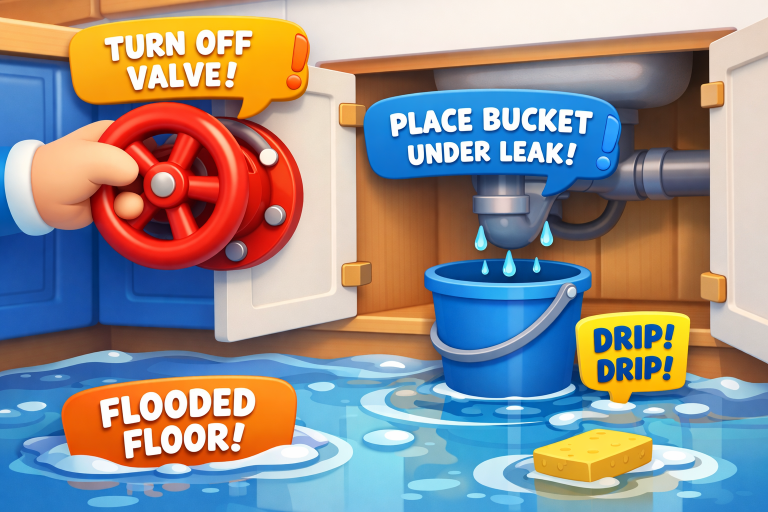
The first and most critical step when facing a plumbing emergency is to stop the flow of water. Locate the main shut-off valve, which is usually found in basements, garages, utility rooms, or outside the house close to the meter. For localized issues, such as a leaking toilet or sink, use the dedicated shut-off valve underneath the fixture. Turning off the water immediately can prevent floods and widespread water damage, giving you time to contact a professional plumber if needed. Homeowners are encouraged to locate their shut-off valves before an emergency occurs, as recommended by Homes & Gardens.
Turn Off the Water Heater
After halting the water supply, turn off your water heater to prevent pressure buildup and potential damage. For electric water heaters, power should be switched off at the breaker panel. For gas models, turn off the gas supply for safety. This step is vital to prevent the heater from overheating or becoming a fire hazard during a plumbing crisis.
Address Small Leaks
Smaller leaks can sometimes be managed with quick fixes until professional help arrives. Use plumber’s tape, towels, or rags to seal or soak up leaks. Place buckets under dripping pipes or fixtures to catch water and prevent floor damage. These actions can limit damage to flooring, drywall, and personal belongings.
Clear Blocked Drains
If water is accumulating due to a clogged drain, use a plunger to try clearing the blockage. Avoid using chemical drain cleaners, as they can harm your pipes and make the problem worse. If plunging does not work or if water continues to back up, wait for a professional to take further action. The U.S. Environmental Protection Agency warns that improper use of chemicals can lead to greater health or plumbing issues.
Use a Wet/Dry Vacuum
Excess water from leaks or overflows can often be removed with a wet/dry vacuum. Make sure your vacuum model is rated for wet use to avoid damage to the equipment or electrical hazards. Removing standing water quickly reduces the risk of long-term structural damage and slows mold and mildew growth.
Check for Electrical Hazards
When water is near electrical outlets, appliances, or cords, immediately turn off your home’s main electrical breaker. Do not touch electrical items if you are wet or standing in water. Water and electricity are a dangerous mix and pose a serious risk of electric shock or fire.
Protect Your Belongings
Remove valuable items such as furniture, electronics, documents, and rugs from the affected area. Place valuable pieces on higher ground or block them up with waterproof materials if they cannot be moved. Prompt action can prevent irreversible water damage to your essential possessions.
Contain the Damage
Use mops, towels, and buckets to contain water as best as possible. Block off rooms or doors with rolled towels to stop water from spreading into dry areas. Quick containment helps minimize the extent of repairs needed and also limits mold growth caused by lingering moisture.
Document the Damage
Take clear photos and notes of all visible damage, including affected floors, walls, and possessions. Organize your documentation for insurance purposes before starting extensive cleanup. Having detailed records can speed up the insurance process and help you receive adequate compensation for losses.
Call a Professional Plumber
Once you have stabilized the situation as much as possible, contact a licensed plumber to address the root cause and recommend lasting solutions. Professional plumbers will pinpoint the issue and provide safe, code-compliant repairs. If you are unsure which actions to take, it is always best to wait for expert guidance to avoid accidental or additional harm.
Final Thoughts
Plumbing emergencies require fast thinking and even faster action. By following these essential steps, you can contain and reduce the impact of the most common emergencies until reliable help can intervene. Preparation and prompt response not only help protect your property but also provide peace of mind during stressful circumstances.